
Prompts Pre-task Risk Checks When Weather, Access, Or Equipment Condition Changes Mid-shift.

Safety mindset is the habit of anticipating hazards, assessing risk, and choosing the safer option as part of everyday decision-making. It matters in high-risk environments because it prevents injuries, protects assets and communities, and keeps work reliable when conditions or priorities change.
A professional with strong safety mindset can:

Perform Pre-task Risk Checks And Adjust Plans When Weather, Equipment Condition, Or Site Access Changes.
Use PPE, Isolation, And Lockout/tagout Requirements Correctly And Challenge Unsafe Shortcuts.
Report Hazards And Near Misses With Enough Detail For Others To Act, Including Location, Conditions, And Immediate Controls.
Pause Work And Seek Guidance When Uncertainty Or Conflicting Instructions Create Unsafe Exposure.
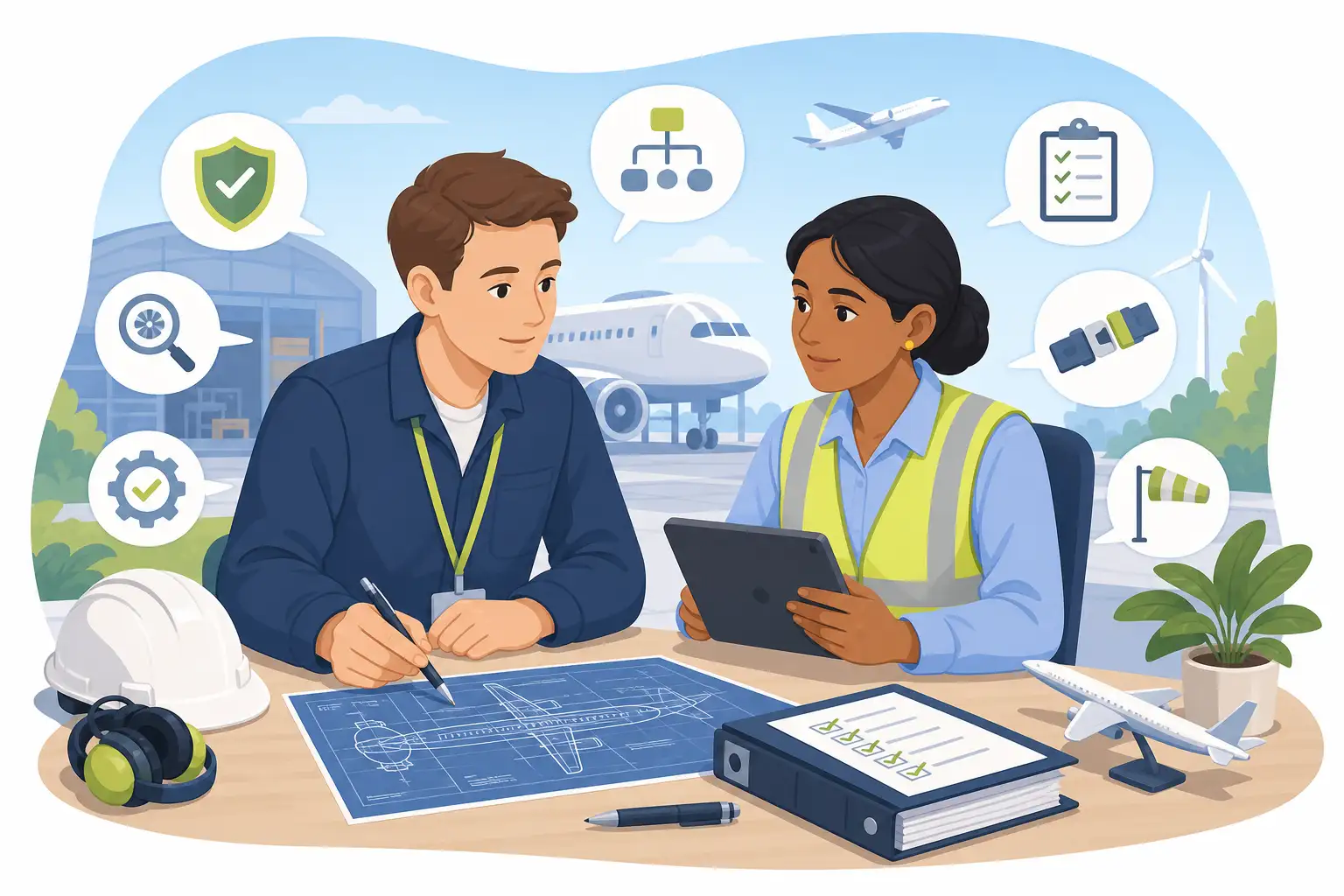
Prompts Pre-task Risk Checks When Weather, Access, Or Equipment Condition Changes Mid-shift.
Prevents Exposure By Choosing Correct PPE, Isolation, And Lockout/tagout Instead Of Taking Shortcuts.
Produces Usable Hazard And Near-miss Reports With Location, Conditions, And Immediate Controls For Fast Action.
Reduces High-consequence Mistakes By Pausing Work When Instructions Conflict Or Uncertainty Is Present.

Environmental Services & Waste Management
Government & Public Administration
Mining & Minerals
Oil & Gas (Petroleum & Natural Gas)
Construction & Civil Engineering
Utilities (Electric Power & Water)

Environmental Compliance Officer
Environmental Engineer
Recycling Operations Manager
Sustainability Manager
Waste Management Supervisor
HSE Officer
Risk Assessment Specialist
Safety & Compliance Officer
Dynamic Risk Assessment And Pre-job Briefing Routines.
PPE Selection, Fit, And Inspection Practices.
Lockout/tagout, Isolation, And Permit-to-work Procedures.
Hazard And Near-miss Reporting Tools And Required Data Fields.
Situational Awareness Techniques For Changing Site Conditions.