
Runs Specialized Workflows Like Pipelines, Claims, Or Monitoring In The System Of Record Rather Than Offline Trackers.

Industry specific operational software supports specialized workflows such as analytics pipelines, security monitoring, claims processing, or service delivery. Using it well matters because it improves accuracy, enables audit-ready traceability, and helps teams automate complex processes while keeping data consistent across systems.
A professional with strong industry specific operational software can:

Configure Project Or Case Workflows, Permissions, And Templates To Match Organizational Policies And Regulatory Needs.
Execute Core Tasks In The Platform, Such As Running Jobs, Managing Queues, Or Monitoring System Health And Exceptions.
Integrate The Software With Upstream And Downstream Systems Using APIs, Connectors, Or Scheduled Data Exchanges.
Produce Audit-ready Outputs Like Logs, Dashboards, And Standardized Reports To Support Compliance And Decision-making.
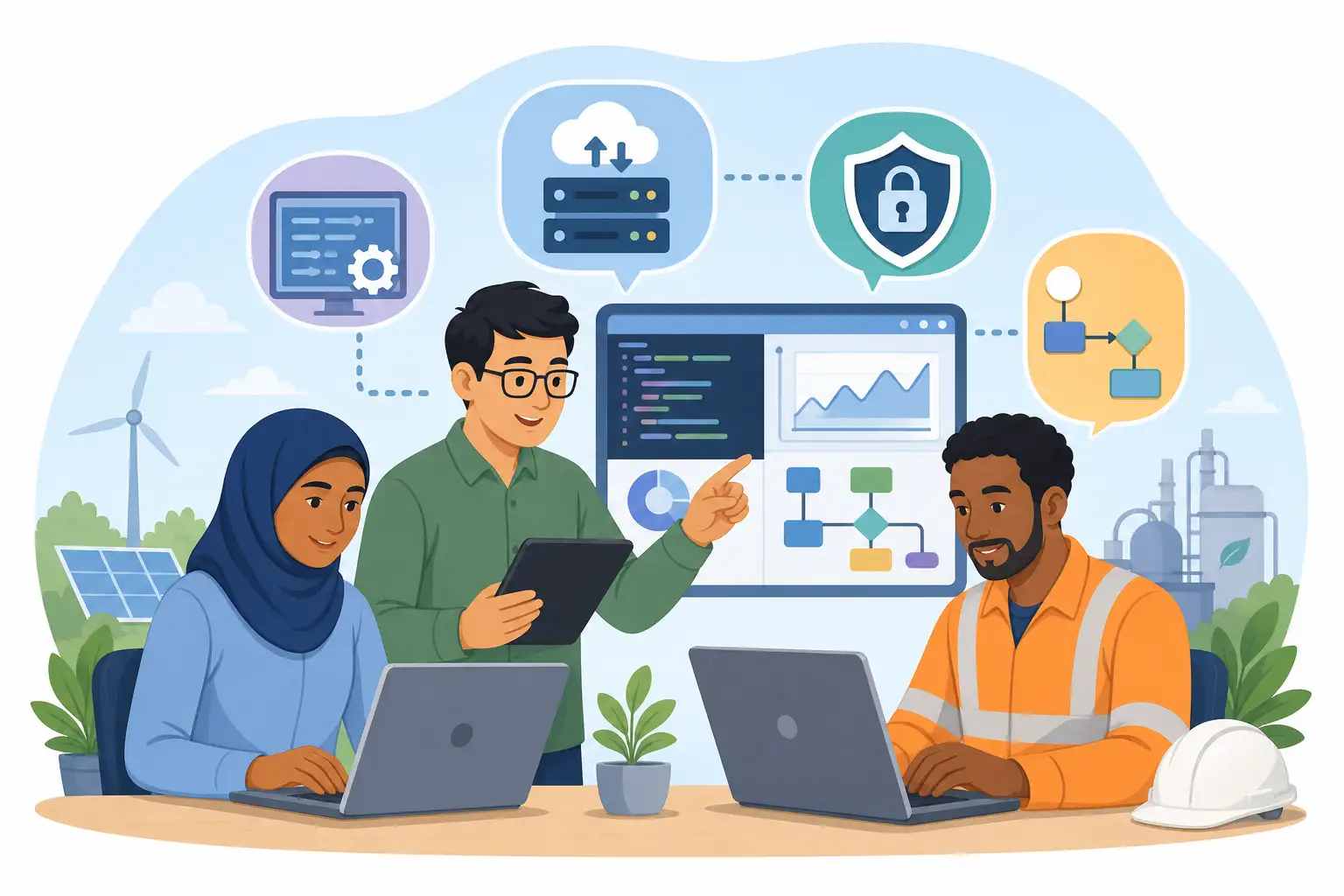
Runs Specialized Workflows Like Pipelines, Claims, Or Monitoring In The System Of Record Rather Than Offline Trackers.
Produces Audit-ready Logs And Reports That Demonstrate Who Did What, When, And Under Which Approvals.
Keeps Cases, Jobs, And Queues Moving By Monitoring Exceptions And Clearing Failures Before Backlogs Form.
Connects Upstream And Downstream Systems Via APIs Or Scheduled Exchanges To Keep Data Consistent Across Tools.

Information Technology & Software
Data Science & Artificial Intelligence
Consulting & Professional Services
Banking & Financial Services
Scientific & Research Organizations
Cybersecurity & IT Security

Data Scientist
Data Engineer
BI Developer
Machine Learning Engineer
AI Research Scientist
Software Engineer
Systems Analyst
Business Analyst
Platform Configuration Of Roles, Permissions, Templates, And Workflow States.
Job Execution And Monitoring, Including Queue Management, Retries, And Exception Handling.
Systems Integration Using APIs, Connectors, Webhooks, And Scheduled File Transfers.
Operational Reporting With Built-in Dashboards, Log Queries, And Standardized Exports.
Environment Management, Including Release Notes, Change Control, And Sandbox-to-production Promotion.