
Reduces Injuries And Fatalities By Identifying Site-specific Hazards Before Work Starts.

Hazard mitigation is the practice of identifying, assessing, and reducing threats to people, assets, and the environment through preventive controls and emergency readiness. It matters in high-risk operations because it lowers incident likelihood and severity while supporting regulatory compliance and operational continuity.
A professional with strong hazard mitigation can:

Identify Site-specific Hazards Through Inspections, Job Hazard Analyses, And Incident Trend Reviews.
Quantify Risk Using Likelihood–severity Scoring And Prioritize Controls Using The Hierarchy Of Controls.
Implement And Verify Safeguards Such As Engineering Controls, PPE Requirements, Lockout/tagout, Or Containment Measures.
Develop And Drill Emergency Response Procedures, Including Spill Response, Evacuation Routes, And Communication Protocols.
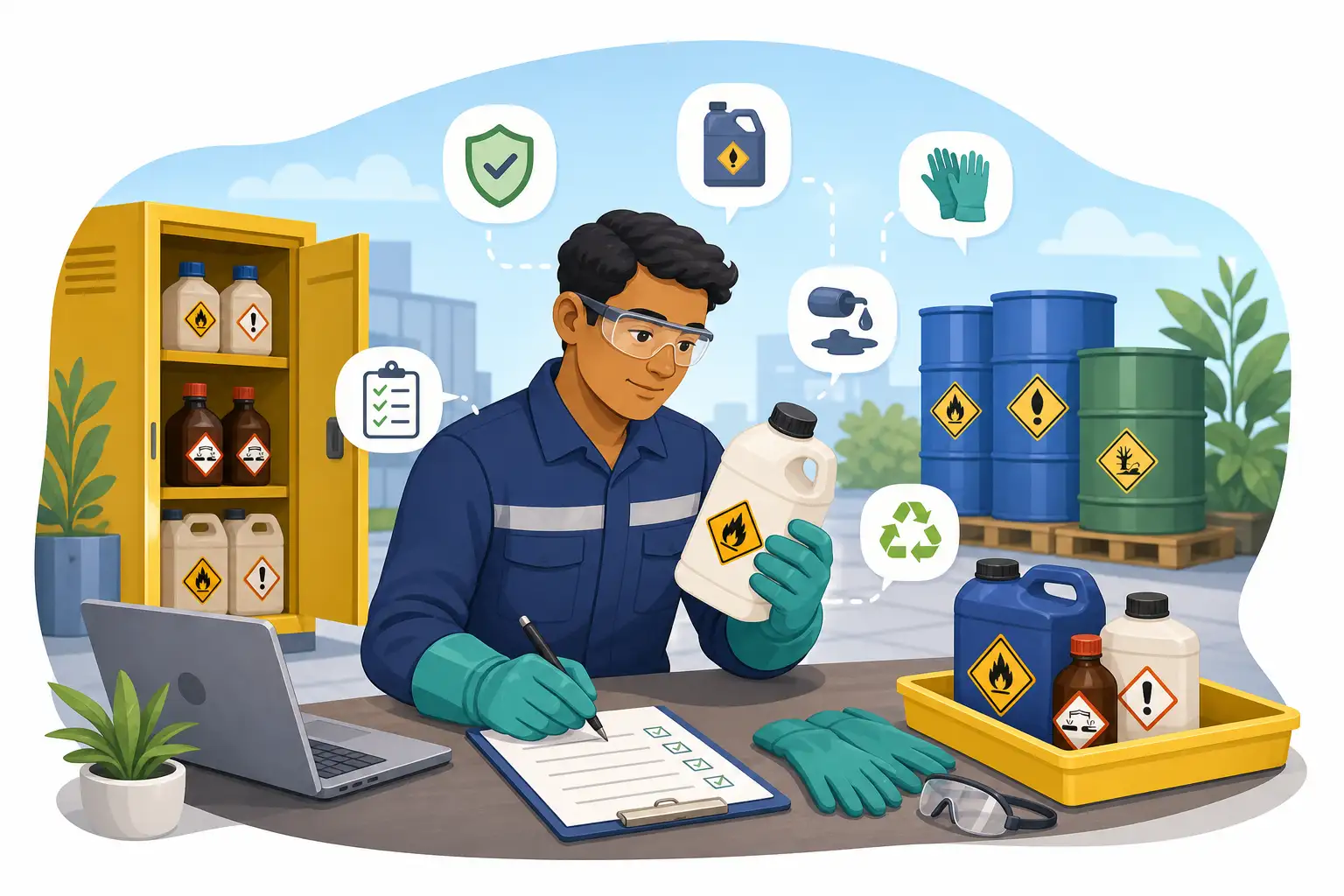
Reduces Injuries And Fatalities By Identifying Site-specific Hazards Before Work Starts.
Limits Asset Damage And Environmental Releases By Prioritizing Controls Using Likelihood–severity Scoring.
Meets Regulatory And Audit Requirements Through Verified Safeguards Like LOTO, PPE, And Containment.
Shortens Downtime During Incidents By Drilling Evacuation, Spill Response, And Communication Procedures.

Environmental Services & Waste Management
Government & Public Administration
Mining & Minerals
Oil & Gas (Petroleum & Natural Gas)
Construction & Civil Engineering
Utilities (Electric Power & Water)

Environmental Compliance Officer
Environmental Engineer
Recycling Operations Manager
Sustainability Manager
Waste Management Supervisor
HSE Officer
Risk Assessment Specialist
Safety & Compliance Officer
Job Hazard Analysis (JHA) And Site Inspection Methods.
Risk Scoring And Hierarchy-of-controls Application.
Lockout/tagout, Permit-to-work, And PPE Program Execution.
Engineering Control Verification And Safety Barrier Inspections.
Emergency Response Planning, Drills, And Incident Reporting.