
Prevents Pathogen Growth By Controlling Critical Limits At Cooking, Cooling, And Storage Steps.

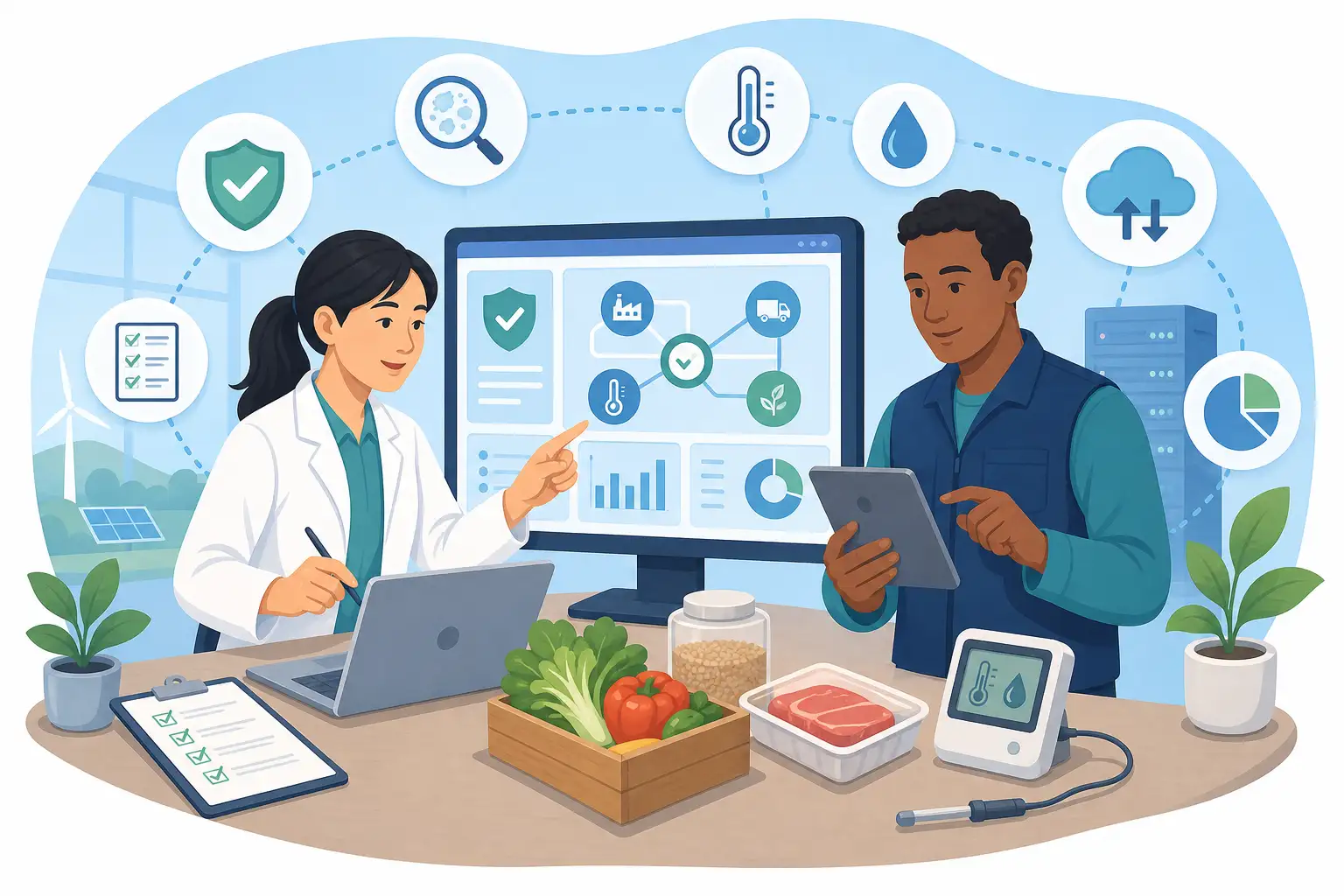
Food safety systems are structured controls that prevent contamination and ensure products are safe from receiving through service or distribution. They translate regulations into practical programs like HACCP, sanitation, allergen management, and traceability to protect consumers and brands.
A professional with strong food safety systems can:

Develop And Maintain HACCP Plans, Critical Limits, Monitoring Logs, And Corrective-action Procedures.
Design Sanitation Schedules And Environmental Monitoring To Control Pathogens And Cross-contamination.
Implement Allergen Segregation, Label Verification, And Changeover Controls To Prevent Mislabeling And Reactions.
Manage Traceability And Recall Readiness Using Lot Coding, Supplier Documentation, And Mock Recall Exercises.
Prevents Pathogen Growth By Controlling Critical Limits At Cooking, Cooling, And Storage Steps.
Avoids Allergen Reactions And Recalls Through Segregation, Label Checks, And Verified Changeovers.
Detects Contamination Early With Sanitation Programs And Environmental Swabbing In High-risk Areas.
Enables Rapid, Targeted Recalls By Maintaining Lot Traceability From Receiving To Distribution.

Food & Beverage Manufacturing
Food Service & Restaurants
Hospitality (Hotels & Lodging)
Tourism & Leisure
Consumer Packaged Goods (FMCG)
Logistics & Supply Chain Management

Food Technologist
Quality Assurance Manager
R&D Product Developer
Catering Manager
Chef
Restaurant Manager
Hotel Operations Manager
Travel Consultant
HACCP Plan Development, CCP Monitoring, And Corrective-action Documentation.
Sanitation Standard Operating Procedures (SSOPs) And Environmental Monitoring Programs.
Allergen Management Practices Including Segregation, Label Verification, And Line Clearance.
Traceability Systems Using Lot Coding, Supplier COAs, And Mock Recall Execution.
Regulatory And Audit Readiness For GMPs, FDA/USDA Or Local Food Code Requirements.