
Keeps Critical Building Systems Running By Scheduling And Verifying Preventive Maintenance On HVAC, Electrical, And Fire Systems.

Facility management is the coordination of building systems, maintenance, space, and services to keep workplaces safe, compliant, and efficient. It matters because well-managed facilities reduce downtime and operating costs, protect assets, and support productivity through reliable HVAC, utilities, security, and repairs.
A professional with strong facility management can:

Plan Preventive Maintenance Schedules For Critical Assets (HVAC, Electrical, Plumbing, Fire Systems) And Track Completion.
Manage Vendor Contracts For Cleaning, Security, Waste, And Repairs With Clear SLAs, Permits, And Site Access Controls.
Conduct Safety And Compliance Inspections, Addressing Hazards And Documenting Actions For Audits And Regulators.
Optimize Space Utilization And Utilities Consumption Using Occupancy Data, Condition Assessments, And Capital Improvement Plans.
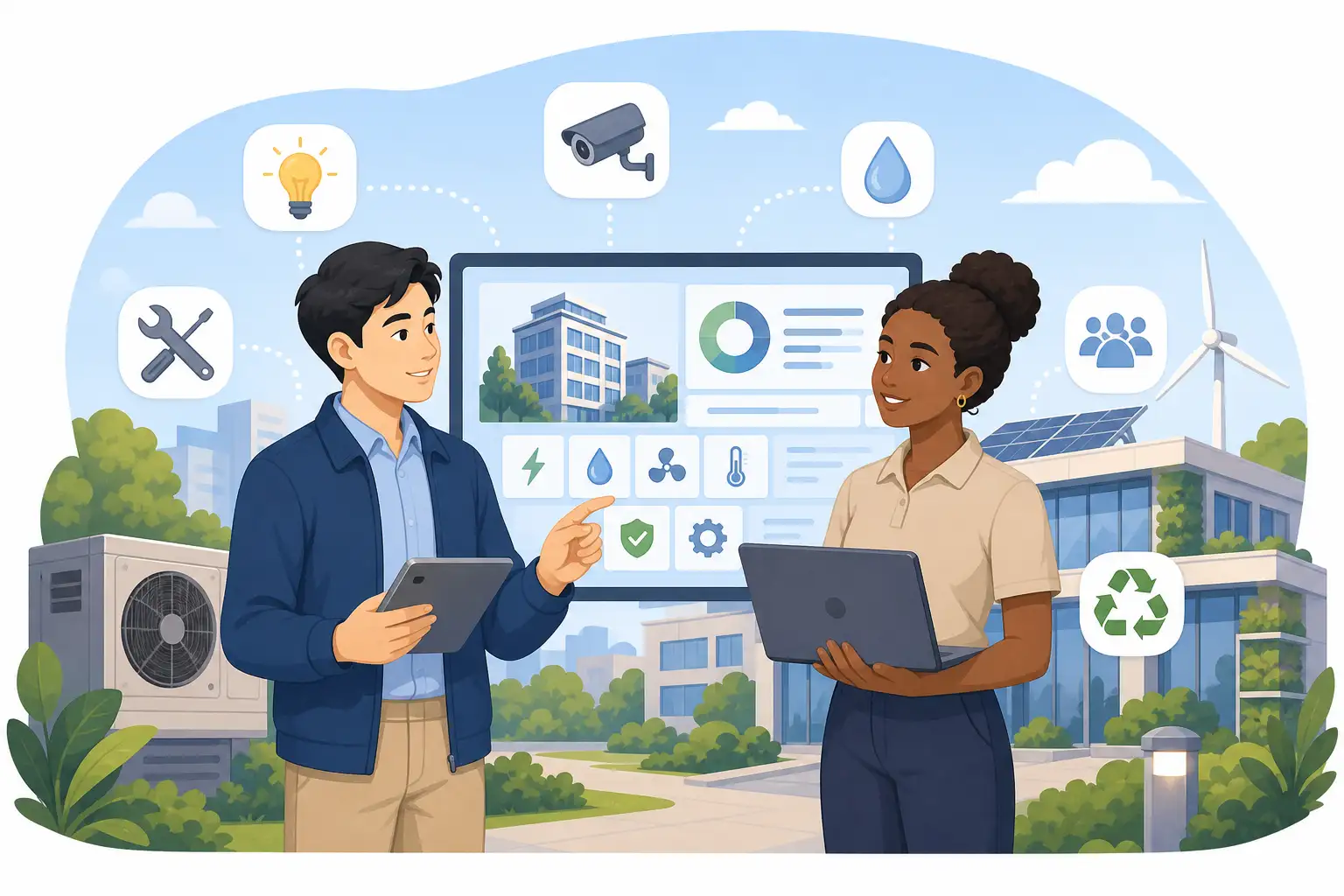
Keeps Critical Building Systems Running By Scheduling And Verifying Preventive Maintenance On HVAC, Electrical, And Fire Systems.
Maintains Audit-ready Compliance Through Inspections, Permits, And Safety Documentation For The Site.
Controls Operating Spend By Managing Vendor SLAs For Cleaning, Security, Repairs, And Waste.
Protects Uptime And Tenant/employee Comfort By Monitoring Utilities, Space Use, And Condition Issues.

Construction & Civil Engineering
Real Estate & Property Management
Utilities (Electric Power & Water)
Government & Public Administration
Consulting & Professional Services
Environmental Services & Waste Management

Civil Engineer
Construction Project Manager
Quantity Surveyor
Site Supervisor
Structural Designer
Property Manager
Facilities Manager
Real Estate Development Manager
CMMS Use For Work Orders, Asset Registers, And Preventive Maintenance Planning.
Building Systems Knowledge For HVAC, Electrical Distribution, Plumbing, And Fire/life Safety.
Vendor And Contract Management, Including SLAs, Access Control, And Permit Coordination.
Safety Inspection Routines And Regulatory Compliance Practices (e.g., Fire Code, OSHA/local Equivalents).
Space Planning And Utilities Monitoring Using Occupancy Data, Meters, And Condition Assessments.