
Selects Fibers, Constructions, And Finishes That Hit Targets For Stretch, Drape, And Hand-feel.

Fabric science is the practical understanding of fiber types, yarns, weaves/knits, finishes, and how these choices affect comfort, durability, appearance, and care. It matters in apparel and consumer goods because material decisions drive product quality, cost, compliance, and customer satisfaction across the lifecycle.
A professional with strong fabric science can:

Specify Fabric Constructions And Finishes That Meet Target Hand-feel, Drape, Stretch, And Performance Requirements.
Assess Shrinkage, Colorfastness, Pilling, And Abrasion Results To Approve Materials For Bulk Production.
Troubleshoot Defects Such As Skew, Seam Slippage, Shade Variation, Or Uneven Dye Uptake With Mills And Factories.
Translate Care, Labeling, And Regulatory Requirements Into Material Choices And Test Plans For Each Product Line.
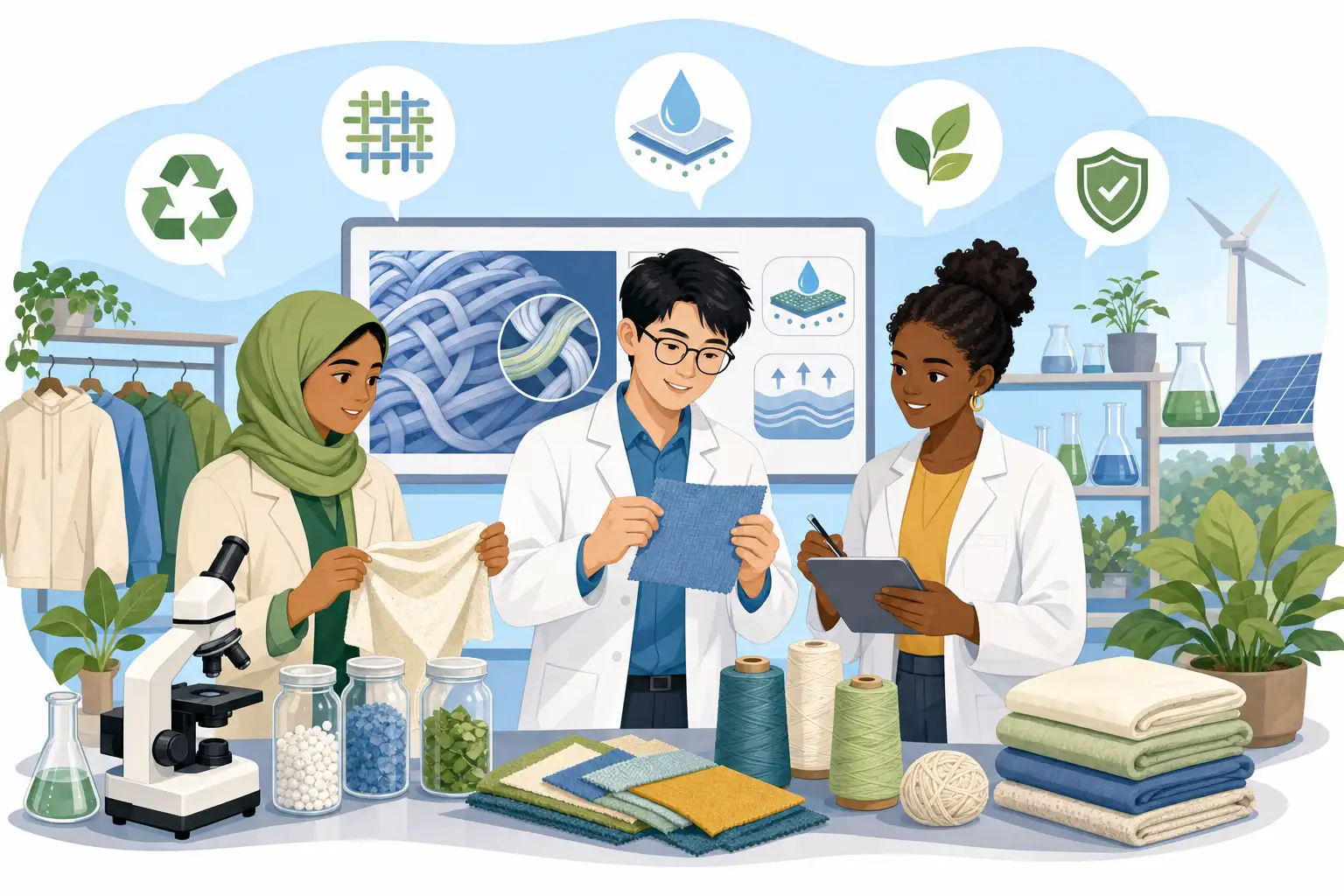
Selects Fibers, Constructions, And Finishes That Hit Targets For Stretch, Drape, And Hand-feel.
Prevents Bulk-production Failures By Screening Shrinkage, Pilling, Abrasion, And Colorfastness Results.
Diagnoses Mill And Factory Issues Like Shade Variation, Skew, And Uneven Dye Uptake.
Ensures Correct Care Labeling And Chemical Compliance Based On Fiber And Finish Choices.

Fashion & Luxury Goods
Textile & Apparel Manufacturing
Consumer Packaged Goods (FMCG)
Advertising & Marketing
Logistics & Supply Chain Management
Cosmetics & Personal Care

Fashion Designer
Merchandiser
Apparel Production Manager
Pattern Designer
Textile Engineer
Retail Operations Manager
Brand Manager
Quality Control
Fiber And Yarn Identification, Including Blends And Filament Vs Staple Behavior.
Weave/knit Construction Knowledge And How Structure Affects Performance And Drape.
Textile Testing Methods (shrinkage, Crocking, Pilling, Abrasion, Bursting/tensile).
Dyeing, Printing, And Finishing Processes, Including Common Defect Root Causes.
Care Labeling Rules And Restricted Substances Compliance For Textiles And Trims.