
Prevent Injuries And Property Damage By Matching Equipment To Load Limits And Operating Conditions.

Equipment handling is the ability to select, operate, move, and maintain tools and machines safely while protecting people, data, and property. It matters across labs, logistics, and office operations because correct handling reduces injuries, prevents damage and downtime, and keeps work consistent and compliant with procedures.
A professional with strong equipment handling can:

Select The Right Equipment For The Task By Confirming Load Limits, Operating Conditions, And Required Attachments Or Accessories.
Operate Equipment Using Standardized Start-up, Shut-down, And Lockout/tagout Steps To Prevent Accidents And Unintended Activation.
Move And Secure Equipment For Transport Or Storage Using Proper Lifting, Tie-down, And Protective Packaging Methods.
Perform Routine Checks (calibration, Wear, Safety Guards) And Log Issues To Schedule Maintenance Before Failures Occur.
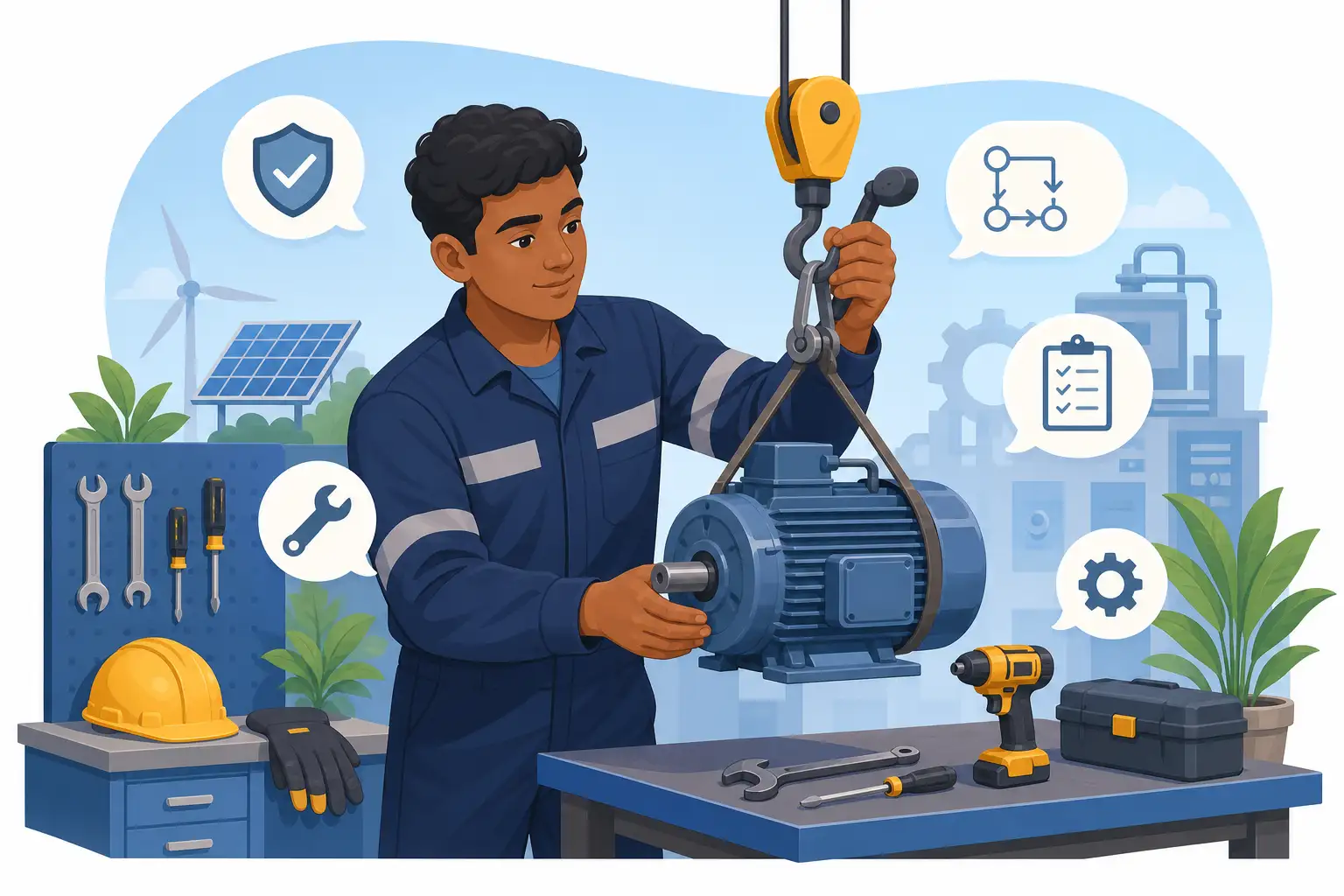
Prevent Injuries And Property Damage By Matching Equipment To Load Limits And Operating Conditions.
Avoid Unintended Starts And Pinch-point Incidents By Following Start-up, Shut-down, And Lockout/tagout Steps.
Reduce Breakage And Downtime By Using Correct Lifting, Securing, And Transport Packaging Methods.
Catch Calibration Drift And Wear Early Through Routine Inspections And Maintenance Logs.

Consulting & Professional Services
Education & Training
Government & Public Administration
Scientific & Research Organizations
Information Technology & Software
Logistics & Supply Chain Management

Business Analyst
Management Consultant
Corporate Trainer
Program Manager
Operations Manager
Process Improvement Specialist
Research Scientist
Public Administrator
Load Rating Verification And Attachment/accessory Selection.
Lockout/tagout (LOTO) And Machine Guarding Practices.
Safe Lifting, Rigging, And Tie-down Techniques.
Preventive Maintenance Checks, Calibration Basics, And Inspection Logs.
Safe Storage, Environmental Controls, And Equipment Handling SOPs.