
Resolves Complaints Faster By Using Structured Intakes That Capture Facts, Timelines, And Requested Outcomes.

Employee relations is the day-to-day practice of building trust, resolving workplace issues, and maintaining fair, consistent treatment across teams. It matters because strong relationships reduce conflict and turnover, improve engagement, and help managers address performance and conduct concerns before they escalate.
A professional with strong employee relations can:

Conduct Structured Intake Meetings For Complaints And Concerns, Documenting Facts, Timelines, And Desired Resolutions With Confidentiality Controls.
Facilitate Difficult Conversations And Mediation Between Employees And Managers To Reach Workable Agreements And Reset Expectations.
Advise Leaders On Consistent Application Of Policies For Attendance, Performance Improvement, And Disciplinary Actions To Reduce Bias And Risk.
Track Trends From Cases And Surveys To Recommend Targeted Interventions Such As Manager Coaching, Team Norms, Or Workload Adjustments.
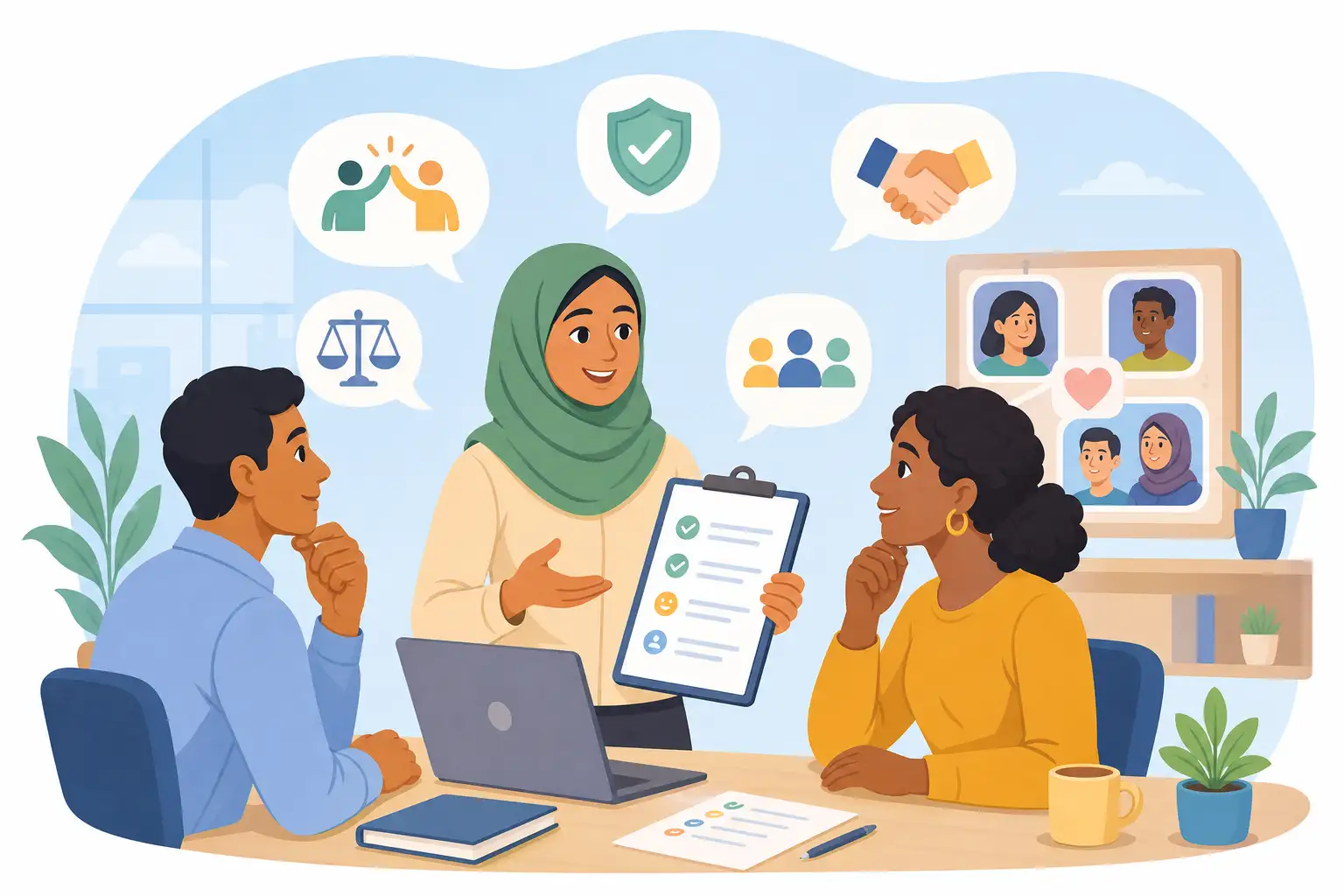
Resolves Complaints Faster By Using Structured Intakes That Capture Facts, Timelines, And Requested Outcomes.
Prevents Team Breakdowns By Mediating Conflicts And Resetting Expectations Between Employees And Managers.
Reduces Unfair Treatment Claims By Guiding Consistent Use Of Attendance, Performance, And Discipline Policies.
Identifies Recurring Hotspots By Tracking Case Themes And Targeting Manager Coaching Or Workload Fixes.

Human Resources & Recruitment
Consulting & Professional Services
Education & Training
Healthcare & Hospitals
Government & Public Administration
Hospitality (Hotels & Lodging)

HR Generalist
Recruiter
Talent Manager
Compensation Analyst
Learning & Development Manager
Corporate Trainer
Engagement Manager
Operations Manager
Workplace Investigation Intake, Interviewing, And Confidential Case Documentation.
Mediation And Conflict-resolution Techniques For Facilitated Conversations.
Policy Interpretation And Consistent Application Of Performance And Conduct Standards.
Manager Coaching On Performance Improvement Plans And Progressive Discipline Steps.
Case Management, Trend Analysis, And Engagement Survey Interpretation.