
Reduces Injuries By Predefining Evacuation Routes, Muster Points, And On-scene Roles During Fires Or Releases.

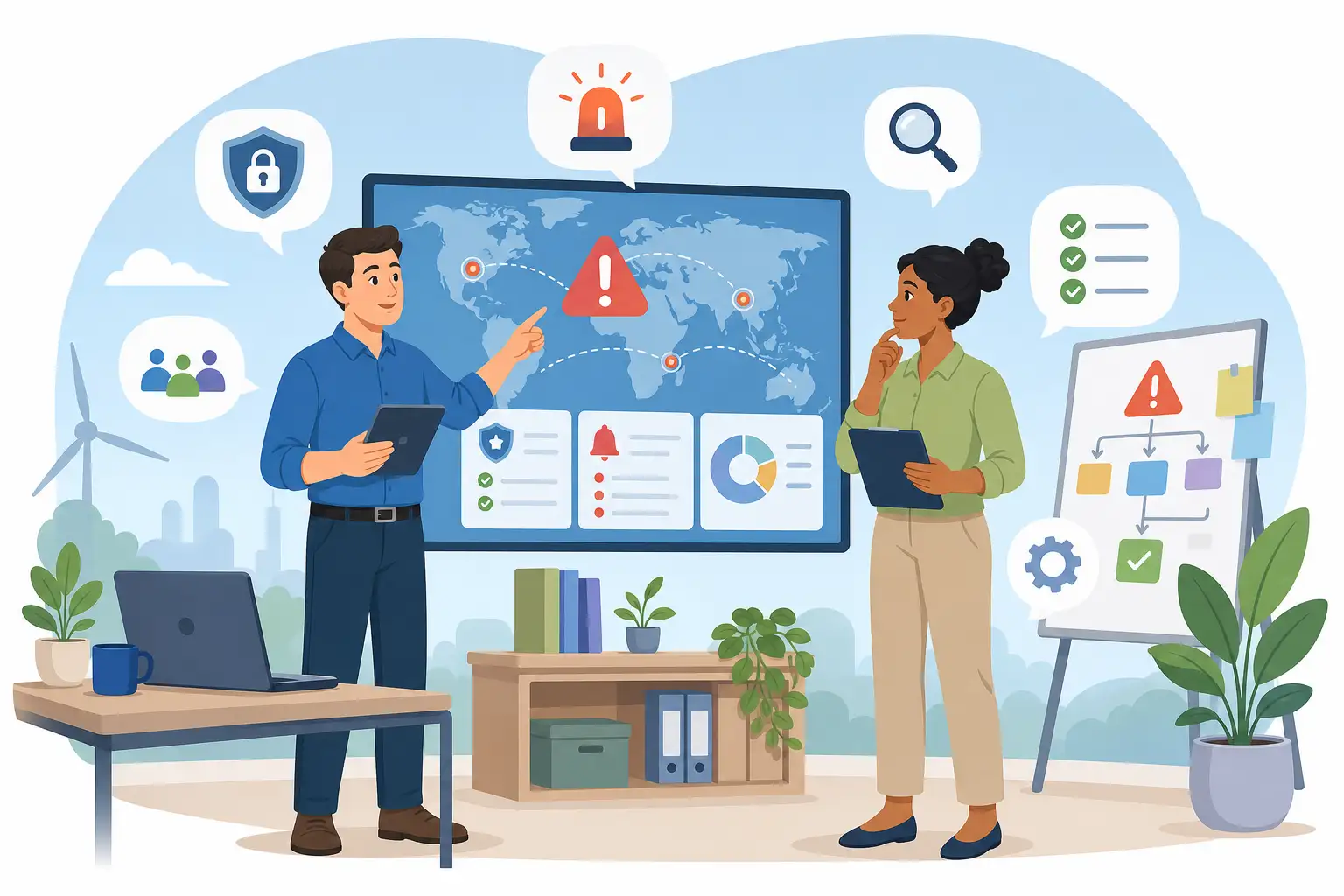
Emergency response planning is the structured preparation for incidents such as spills, fires, injuries, or utility outages, including roles, procedures, and resources. It matters because clear plans protect people and the environment, meet regulatory obligations, and minimize operational disruption during high-stress events.
A professional with strong emergency response planning can:

Develop Site-specific Response Plans That Define Incident Classifications, Command Structure, Evacuation Routes, And Communication Protocols.
Run Hazard Scenarios And Drills To Validate Readiness, Including Spill Containment, Confined-space Rescue, And Severe Weather Shutdown Procedures.
Maintain Inventories And Inspection Schedules For Response Equipment Such As Spill Kits, SCBA, Extinguishers, And Emergency Power Supplies.
Coordinate Notification And Reporting Steps With Regulators, Contractors, And Local Services To Meet Legal Timeframes And Documentation Requirements.
Reduces Injuries By Predefining Evacuation Routes, Muster Points, And On-scene Roles During Fires Or Releases.
Limits Environmental Damage By Specifying Spill Containment Steps, Materials, And Disposal Pathways.
Prevents Failed Audits By Aligning Plans, Drills, And Equipment Checks With Regulatory Requirements And Reporting Timelines.
Maintains Operations During Outages By Planning Shutdown, Isolation, And Emergency Power Procedures For Critical Systems.

Environmental Services & Waste Management
Government & Public Administration
Mining & Minerals
Oil & Gas (Petroleum & Natural Gas)
Construction & Civil Engineering
Utilities (Electric Power & Water)

Environmental Compliance Officer
Environmental Engineer
Recycling Operations Manager
Sustainability Manager
Waste Management Supervisor
HSE Officer
Risk Assessment Specialist
Safety & Compliance Officer
Incident Command System Roles, Escalation Criteria, And Call-out Rosters.
Site Hazard Analysis And Scenario Planning For Spills, Fires, Rescues, And Severe Weather.
Emergency Drill Design, Execution, And After-action Reviews.
Response Equipment Selection And Inspection (spill Kits, SCBA, Extinguishers, Generators).
Regulatory Notification, Documentation, And Reporting Requirements For Incidents.